Airlines regularly measure the cost of onboard food, beverage, and service, but how much value do these offerings actually create? The IFSA session, “The Value of Hospitality: Aviation’s Greatest Asset?”, at APEX FTE EXPO in Singapore will examine how inflight hospitality can strengthen passenger loyalty, help airlines stand out from competitors, and contribute to long-term revenue. Featuring executives from Air New Zealand, dnata catering & retail Australia, and Loyalty Status Co, the discussion will explore how airlines can improve the passenger experience while managing costs, maintaining safety, and responding to changing customer expectations.
The session will take place on Wednesday, November 18, from 11:45 AM to 12:45 PM. JC Consulting CEO Jeremy Clark will open with a presentation examining whether airlines operate in the transportation business, the hospitality business, or both, before moderating a panel featuring Air New Zealand Head of Culinary Justin Koen; dnata catering & retail Australia Executive General Manager, Product Robert Smithson; and Loyalty Status Co CEO and Co-Founder Mark Ross-Smith.
Rethinking the Value of Inflight Hospitality
Clark believes airlines have historically underestimated the value of onboard hospitality, particularly when comparing food and beverage costs with the role these offerings play in passengers’ future travel decisions. Drawing on more than 40 years of experience in inflight service, he will examine how hospitality has changed and why airlines struggle to measure its financial benefits.
“The fundamental take away from this event is that ‘Hospitality delivers more Value than it Costs to Provide’,” Clark explained. “The challenge is capitalizing on this.”
His presentation will compare inflight service during the 1960s and 1970s with today’s passenger experience. Clark argues that airlines frequently reduce food, beverage, and service expenses because they have more control over these costs than many other parts of their operations.
He will ask whether these savings outweigh the potential impact on how passengers remember their journeys and select airlines for future travel. While schedules, destinations, and fares influence booking decisions, Clark believes hospitality can play an important role in building customer loyalty.
“We are in the people business,” Clark said. “Treat them well, they will respond with loyalty and revenue.”
Koen will share Air New Zealand’s approach to using hospitality to differentiate its onboard product. The carrier introduces passengers to New Zealand’s culture through local food producers, wines, and culinary expertise from renowned Kiwi chef Josh Emett.
“Aircraft, seats and even food products can be replicated, but the way you make someone feel is much harder to copy,” Koen explained. His comments reflect Air New Zealand’s focus on creating a memorable experience beyond the physical products passengers receive onboard.
The panel will examine how airlines are reconsidering what premium hospitality means, particularly on long-haul flights. Air New Zealand places particular emphasis on quality dining and meaningful rest, including giving passengers more time to sleep after their meals.
“As an industry, we’ve sometimes confused premium with more: more courses, more food, more service. But more doesn’t necessarily mean better,” Koen said. His comments raise an important question for carriers investing in premium products: does offering more service necessarily improve the passenger experience?
Ross-Smith will represent the passenger loyalty perspective, rounding out the airline and catering viewpoints. His participation will help frame the discussion around how hospitality connects with the relationship between airlines and their customers.
How Catering Innovation and Technology Are Changing Onboard Hospitality
The panel will examine how airlines and catering partners can improve food and beverage programs while managing the challenges of international operations. Topics will include menu development, passenger preferences, food safety, and the coordination required to deliver consistent onboard service.
From dnata catering & retail Australia’s perspective, successful inflight dining starts with collaboration between airlines, caterers, and cabin crews. Smithson will discuss how menu development, food preparation, and onboard service must work together to deliver the experience airlines want passengers to receive.
“It is about collaboration and designing menus that create passenger interest & enjoyment, supported by practical execution and service delivery onboard to achieve what was designed in the kitchen,” Smithson explained. The discussion will examine how catering companies can introduce new dishes while maintaining safety, quality, and cost efficiency.
Crew education and training will feature in the conversation, particularly as airlines introduce new menus and service concepts. Smithson will highlight how crew training helps flight attendants explain menu offerings and deliver consistent onboard service.
Passenger preferences increasingly reflect travelers’ interest in wellness and lighter dining options. According to Smithson, dnata catering & retail Australia has seen customers move away from traditional, indulgent inflight menus toward dishes that better reflect different lifestyle choices.
“We have seen a shift in customer expectations moving away from the traditional indulgent onboard menus to lighter more thoughtfully curated dishes as lifestyle choices change,” Smithson said. He noted growing interest in fresh, seasonal produce and ingredients that reflect local regions, which can influence how catering partners design inflight menus.
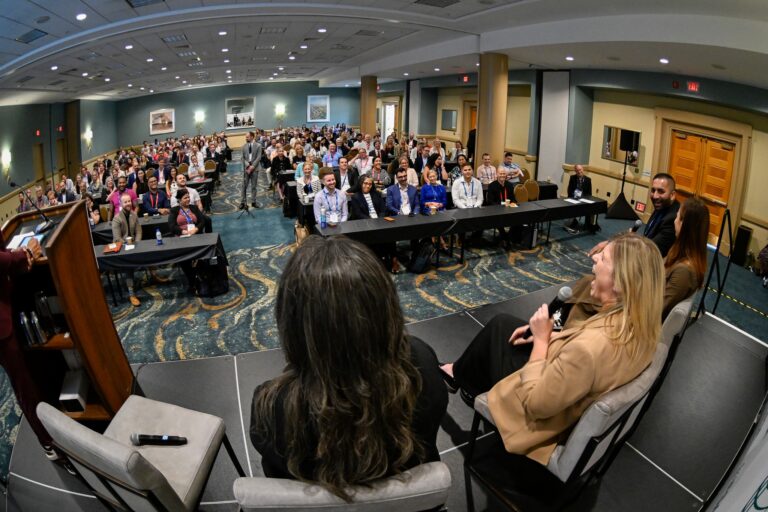
Artificial intelligence (AI) and data analytics will feature in the conversation as airlines explore ways to better predict demand, personalize service, and reduce food waste. Koen believes these tools can help airlines understand passenger preferences and improve how they plan and stock onboard products.
“AI and data can help us better understand preferences, personalise the experience and reduce waste,” Koen explained. “We’re exploring smarter forecasting and provisioning to get the right products to the right customers.”
The panel will examine how airlines can use technology without losing the personal interactions that make hospitality memorable. Koen believes reducing the time crews spend managing operational tasks could give them more opportunities to connect with passengers. “Technology should enable hospitality, not replace it,” he said.
For catering providers, new technologies create opportunities to identify changing passenger trends and improve product development. The discussion will consider whether suppliers and catering operations can respond quickly enough to these insights while maintaining reliable service across international networks.
“I’d love people to challenge the idea that great hospitality has to mean more cost or more service,” Koen said. “It’s about knowing what customers value and delivering those moments exceptionally well.”
The session forms part of APEX FTE EXPO 2026 in Singapore, taking place November 18-19. View the full EXPO Stage program for more information about the session and other discussions taking place throughout the event.