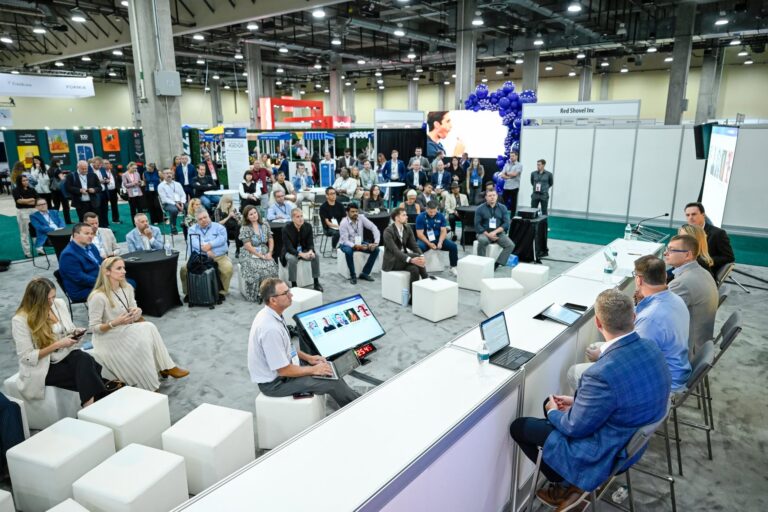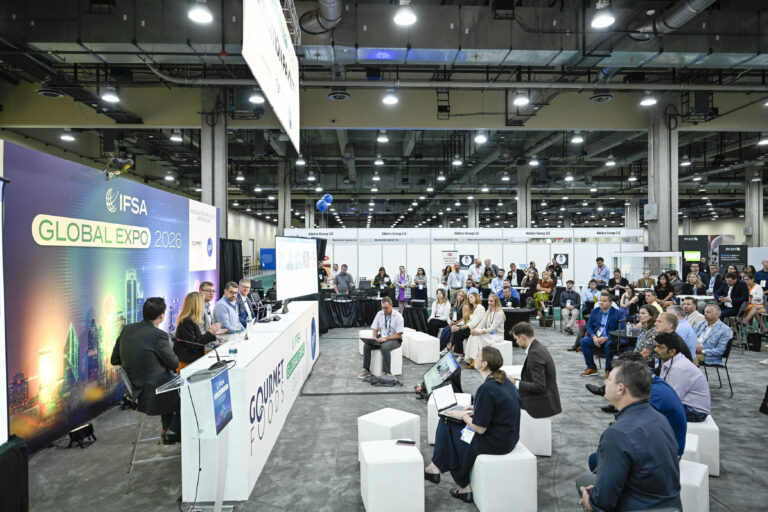
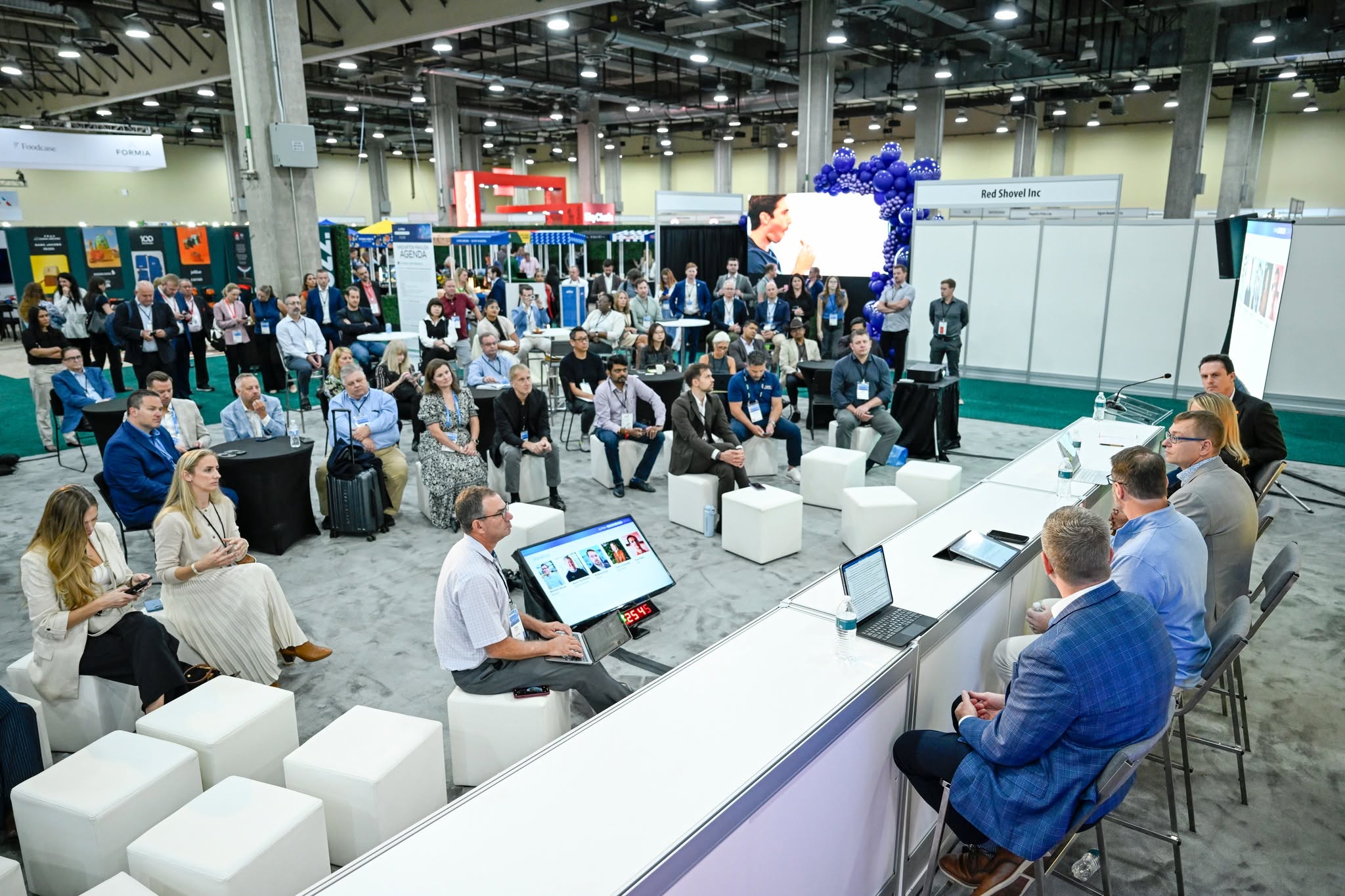
As airlines look to improve their onboard products and services while managing costs, should they keep more operations in-house or rely on outside partners? The IFSA session, “Does Ownership Matter? Different Models for Delivering the Onboard Experience,” at APEX FTE EXPO in Singapore will examine how different operating models affect service quality, innovation, and the passenger experience. Featuring executives from Air India, American Airlines, dnata, and Malaysia Aviation Group (MAG), the discussion will explore how airlines can maintain control over their onboard offerings while benefiting from outside expertise.
The session will take place on Thursday, November 19, from 2:00 PM to 2:50 PM. Hôte Advisory Founder and Principal Vassilios Georgakopoulos will moderate the panel featuring Air India Divisional Vice President, Inflight Services & Experience Shashank Bhardwaj; American Airlines Senior Vice President of Customer Experience Design and Strategy Rhonda Crawford; MAG Catering Operations CEO Sagar Sanjay Dighe; and dnata Catering & Retail Chief Commercial Officer, Australia & Southeast Asia Mark Stubbings.
Rethinking Airline Control and Outside Partnerships
Georgakopoulos believes airlines need to reconsider why they outsource certain services, particularly as carriers look to maintain quality while managing operating costs. He will examine whether the decisions airlines made about outsourcing 10 to 15 years ago continue to make sense today.
“An enduring question hangs over our industry: should airlines concentrate their efforts and resources on flying, and entrust other functions to specialist partners? And when they do outsource, what is really driving the decision: cost, control, or the upholding of standards?” Georgakopoulos explained.
Airlines rely on outside providers for services ranging from inflight catering and entertainment to connectivity and customer service. The panel will consider what carriers have learned from these partnerships and whether bringing certain responsibilities back in-house could provide greater control over their operations.
Maintaining brand standards will feature in the conversation, particularly when outside suppliers deliver products that passengers associate directly with an airline. Georgakopoulos believes pressure to reduce costs can sometimes affect the quality of premium offerings, raising questions about how carriers can protect their brands.
“Premiumness cannot be compromised by degrees,” Georgakopoulos said. He will explore how airlines can establish clear expectations for their suppliers and maintain the service standards they promise passengers.
Bhardwaj will share Air India’s perspective on maintaining responsibility for the passenger experience while working with specialist providers. As the carrier continues transforming its onboard products and services, he will discuss how airlines can retain control over their brand promises while drawing on outside expertise.
“The airline must own the passenger promise. While partners may support delivery, accountability for the customer experience must always remain with the airline,” Bhardwaj explained.
The discussion will examine how airlines can deliver consistent service across international networks, particularly when different suppliers and internal teams handle individual parts of the operation. Bhardwaj believes carriers should establish common standards while allowing flexibility in how their partners deliver services across different markets.
“Consistency should be measured by the passenger experience, not by identical processes. Common standards with local flexibility deliver the best outcomes,” Bhardwaj said.
An airline’s size, network, and business priorities can influence whether it manages services internally or works with outside providers. The panel will explore how carriers can choose an approach that supports their individual needs rather than assume one model works best for everyone.
“There is no one-size-fits-all operating model. The right choice is the one that delivers the best balance of customer value, reliability, innovation, and cost efficiency,” Bhardwaj said.
How Catering and Innovation Are Influencing Ownership Decisions
MAG’s catering strategy will provide an example of how airlines can change the way they manage onboard services. The group plans to bring most meal production in-house by 2029, once its new inflight catering facility becomes operational.
Dighe will share MAG’s approach to expanding its internal catering capabilities while continuing to work with outside suppliers. The group currently manages catering through MAG Culinary Solutions (MAGCS), a dedicated service provider within MAG that oversees catering assembly and delivery using meals and components from appointed suppliers.
MAG retains financial ownership and strategic control, while MAGCS manages the catering operation. The planned facility aims to give the group greater control over ingredients, food preparation, and quality while maintaining relationships with specialist suppliers.
Dighe believes an airline’s decision to manage services internally or rely on outside providers depends on its circumstances and long-term priorities. He will discuss how these decisions can change as a company grows and develops new capabilities.
“Outsourcing and in-house delivery are not binary decisions. The right approach depends on the stage of the business, local market conditions and the organisation’s ultimate objectives,” Dighe explained.
As a government-linked group, MAG considers how its catering operations can support Malaysian culinary talent, strengthen local supply chains, and develop domestic capabilities. The discussion will explore how these responsibilities influence decisions about ownership and investment beyond financial performance.
For Malaysia Airlines, inflight dining provides an opportunity to showcase Malaysian culture and hospitality. Dighe will share how the airline group’s approach to catering can support food quality, consistency, and the development of new onboard products.
The panel will consider whether bringing more operations in-house necessarily leads to better results or whether success depends more on how airlines manage their teams and suppliers.
“Ownership matters, but it does not necessarily guarantee better outcomes if objectives are not well defined,” Dighe explained.
Beyond catering, the panel will examine how ownership structures influence the speed at which airlines introduce new products and service improvements. Bhardwaj believes clear decision-making, coordination between teams, and consistent execution play important roles in implementing changes across large networks.
Supplier relationships will form another part of the conversation, particularly as airlines balance financial pressures with the quality of their onboard offerings. Georgakopoulos will raise questions about how carriers structure agreements with outside providers and whether these partnerships adequately protect service standards.
“When airlines push suppliers to the brink, passengers and brand perceptions pay the price,” Georgakopoulos said. The panel will consider how airlines can manage costs while maintaining the quality passengers expect.
Dighe hopes attendees will leave with a better understanding of how different operating models can support an airline’s passenger experience and long-term goals. The discussion will encourage airlines to consider which approach best supports their individual needs.
The session forms part of APEX FTE EXPO 2026 in Singapore, taking place November 18-19. View the full EXPO Stage program for more information about the session and other discussions taking place throughout the event.