Delta and Lands’ End are using employee feedback, a stronger testing process, and a closer partnership between the two companies to shape Delta’s next uniform program.
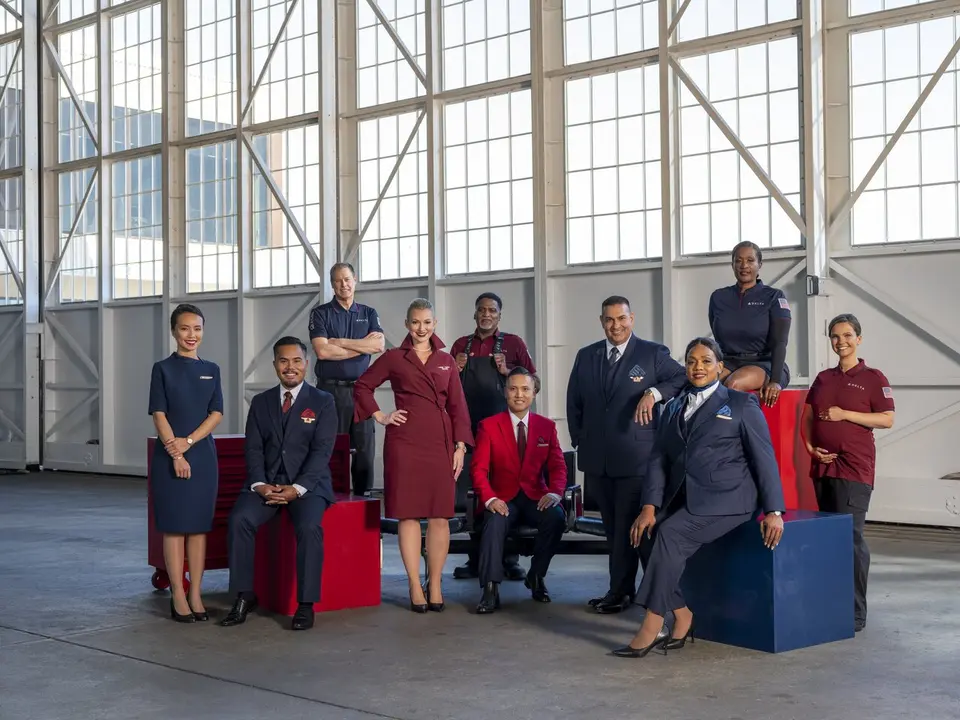
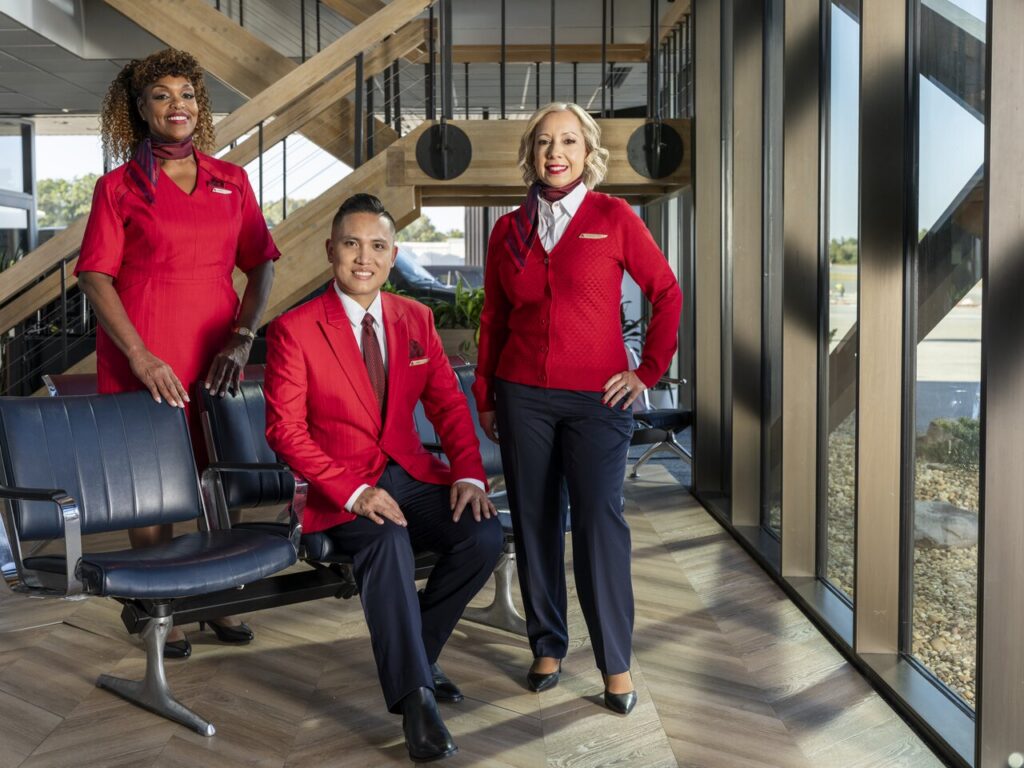
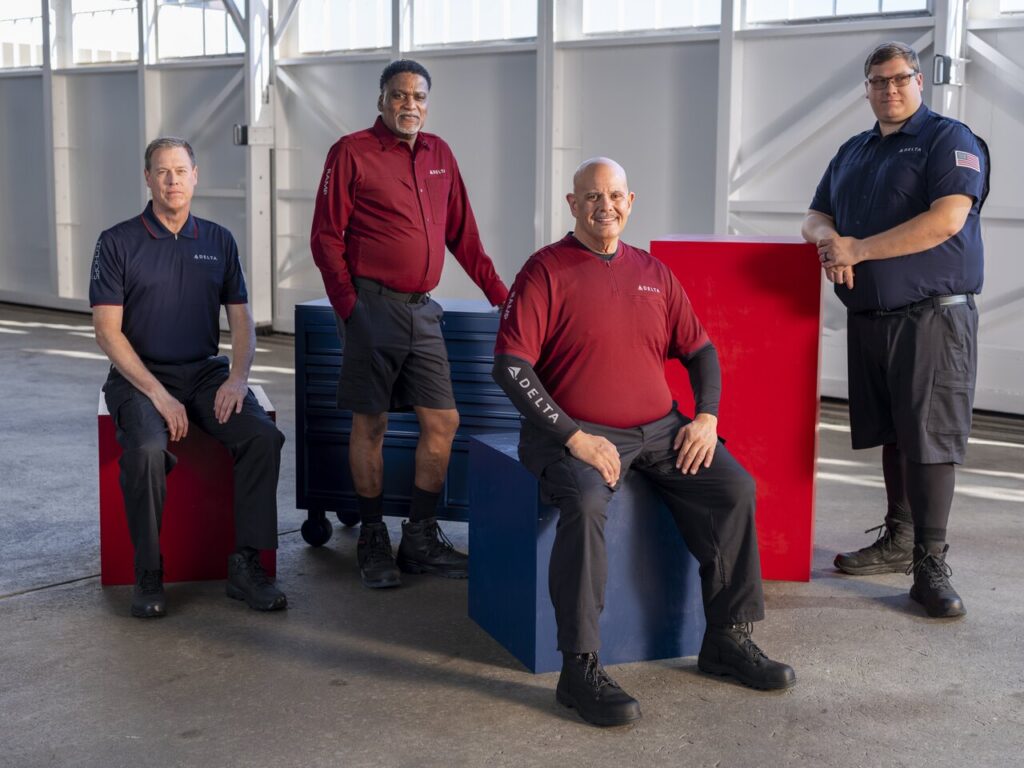
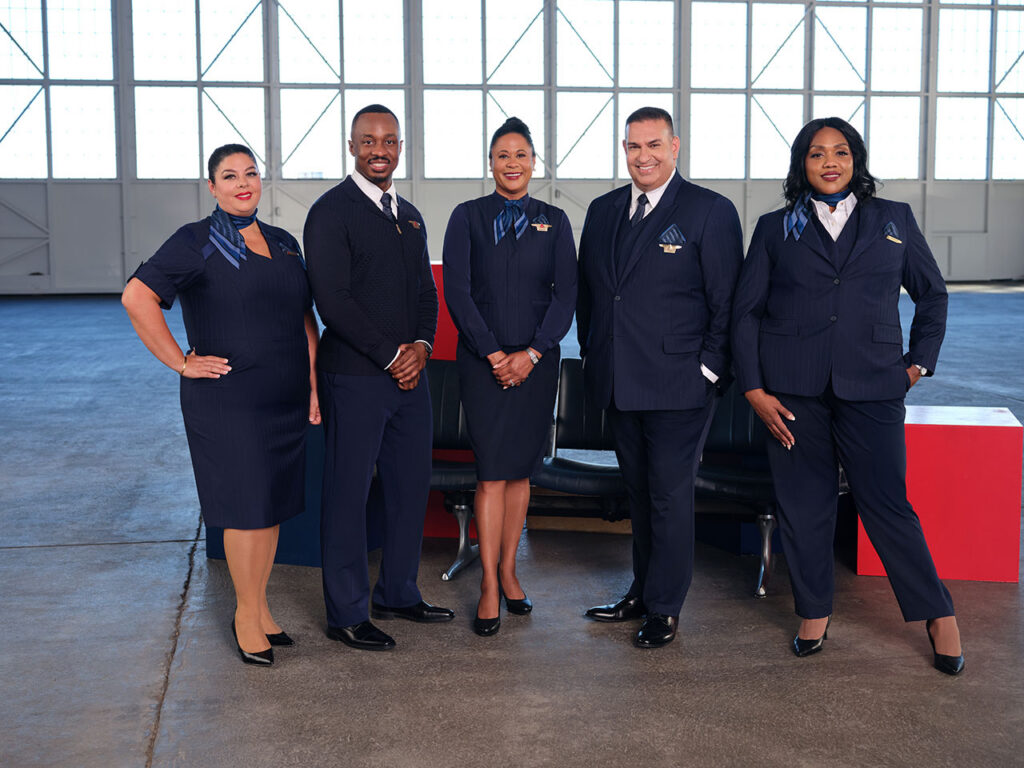
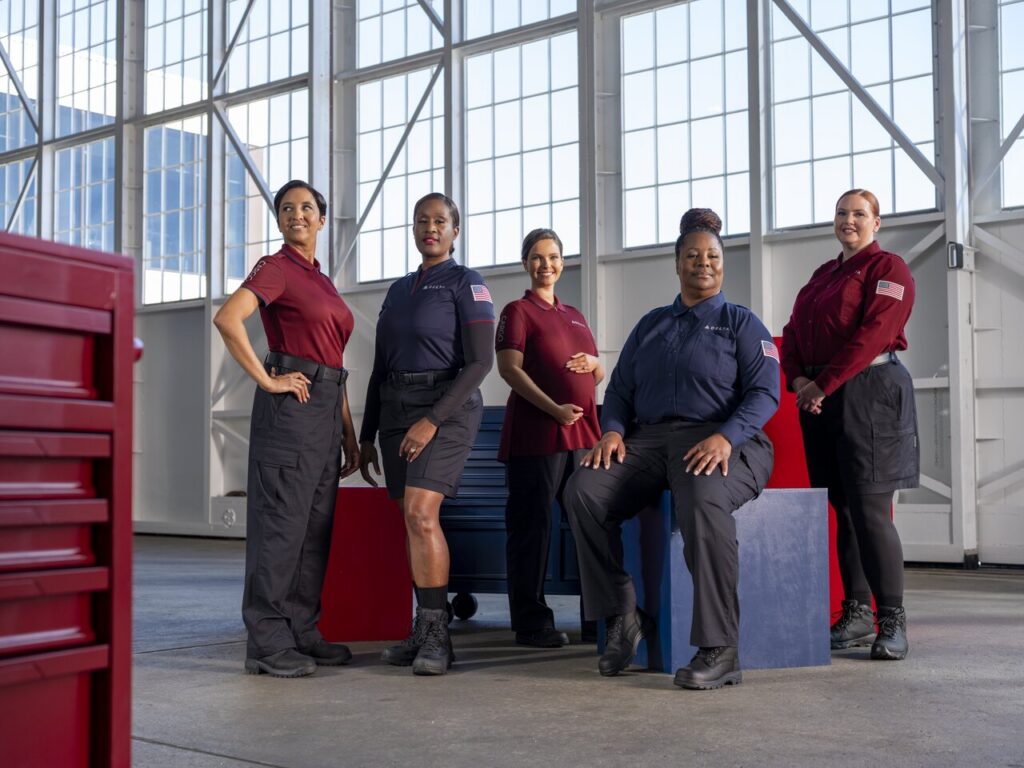
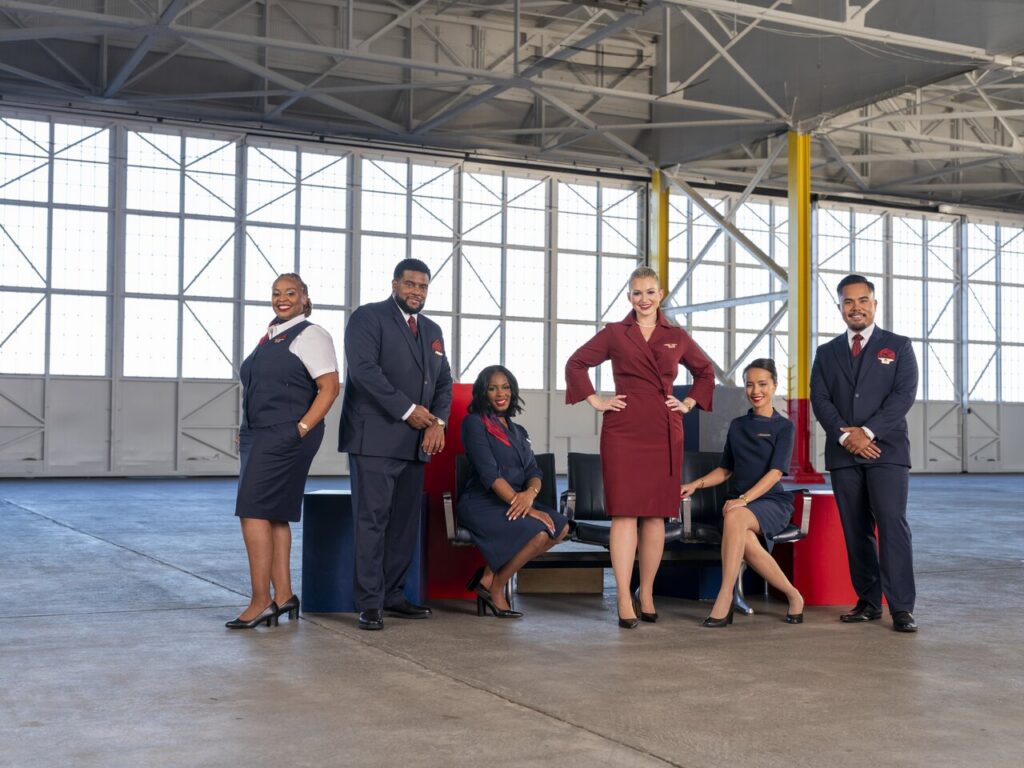
Delta Air Lines and Lands’ End Outfitters, which unveiled the airline’s new “Distinctly Delta” uniform collection in November 2025, said they are using lessons from their past relationship to shape a different approach to Delta’s incoming uniform program, with employees and closer collaboration at the center.
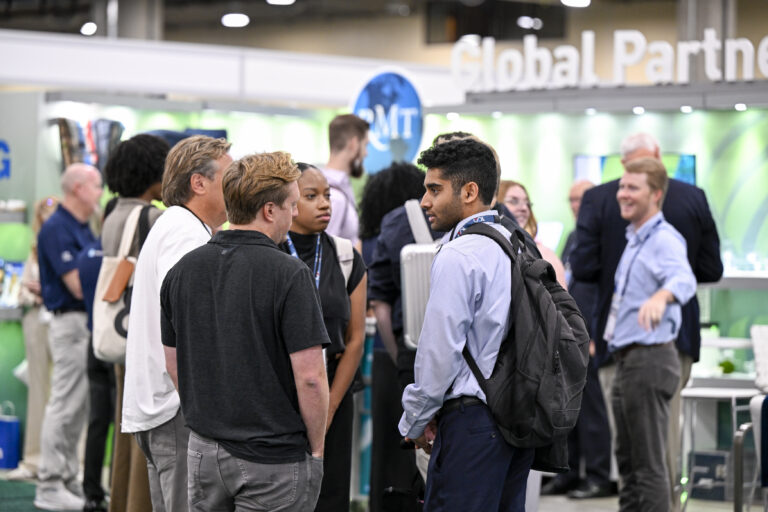
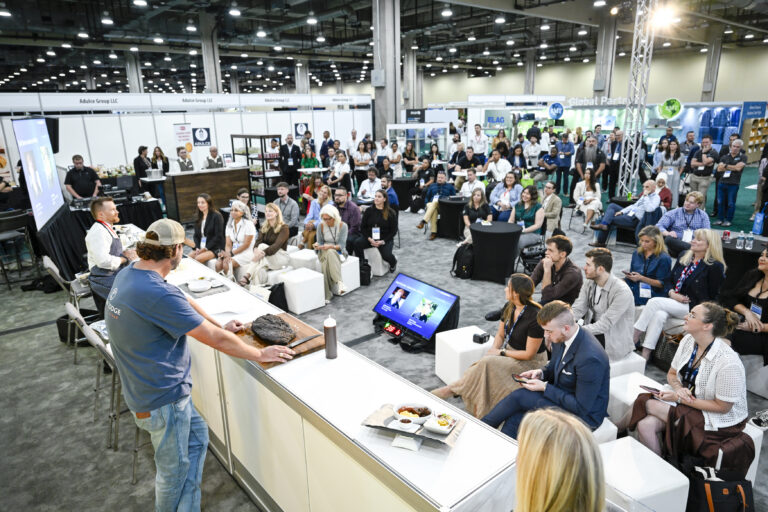
During a thought leadership session as part of the PCIAW program at the 2026 IFSA Global EXPO titled “Building Trust, Putting People First,” Delta Head of Uniform Brand Experience April Shapiro moderated a discussion with Delta Managing Director of Brand Experience Ekrem Dimbiloglu; Lands’ End Outfitters Senior Director of Airline Sales and Operations Jackie McBain; and Lands’ End Outfitters President John DeFalco.
The airline also took part in a catwalk on the PCIAW stage to showcase items from the Distinctly Delta collection modelled by Delta Air Lines employees.
Learning From the Past
For both Delta and Lands’ End, moving forward with their current program started with looking back. Delta’s current uniform launched in 2018, but work on that program began several years earlier. Dimbiloglu explained that the airline looked closely at what worked, what did not, and what it wanted to change this time.
“Take the time to learn from the past rather than simply move on and start fresh,” Shapiro told the audience.
Dimbiloglu explained the importance of the program by pointing out that uniforms remain one of the most visible parts of the airline’s brand. While aircraft, airports, technology, lounges, and passenger expectations may have changed over time, employees and their appearance remain a constant part of the travel experience for passengers and other parties interfacing with the carrier.
“The only thing that is our constant is our people in uniform.”
Ekrem Dimbiloglu, Delta Air Lines
“The airplanes have changed. Technology has changed. The airports, the clubs, the experiences and expectations of our customers have changed,” Dimbiloglu said. “The only thing that is our constant is our people in uniform.”
Lands’ End went through its own period of reflection after Delta moved its uniform business to another provider for the 2018 cycle. “When Delta left Lands’ End and went to one of our competitors, obviously we had to take a hard look in the mirror,” McBain recalled.
In response, the company invested in technology, user experience, products, and internal resources. Those changes put Lands’ End in a stronger position when Delta later looked to work with the company again.
“We knew their culture, their operations, their people, and how important the program was to them,” McBain explained. “Having that shared partnership and that history of learning, both together and separately, really allowed us to fast track this Distinctly Delta program.”
Listening to the People Wearing the Uniform
Outfitting roughly 65,000 employees with different news across different roles creates a high level of complexity. This is why Delta spent more than a year gathering feedback before moving forward with the design of the new collection. The airline conducted mass surveys, focus groups, base visits in various locations, and smaller discussions to better understand what employees wanted. “The first thing we had to do was a lot of listening,” Dimbiloglu said.
The feedback led Delta to focus on four areas: safety, quality, testing, and customer service. Safety came first. Delta focused on ensuring the OEKO-TEX Standard 100 certification was in place across the entire collection, and strengthened quality standards around areas such as tear strength and color transfer.
The airline doubled its wear-test group from 750 to 1,500 employees and extended the testing period from three months to six, giving employees more time to wear the uniforms in real working conditions. The carrier also included people from different locations and levels of experience in the pool of participants, as well as employees who raised concerns about the previous uniform program. “Ultimately they’re going to wear it, and we want to hear what they think,” Dimbiloglu said.
“Uniforms is not [an area] where you can shortchange the process,” he emphasized. “Ultimately, at least at Delta, we want to wear this for the next decade to come. We want to be in this for 10 years, and we’ve got to get it right.”
Customer service played an important role, too. Employees told Delta they valued the support Lands’ End provided in the past, with a human always there on the end of the phone when they needed help.
Rebuilding the Partnership
The new uniform also required Delta and Lands’ End to rethink how they worked together. DeFalco summarized Lands’ End’s approach to winning back Delta’s business simply: “Trust is earned.”
Lands’ End used its time away from Delta to question some of its own practices and whether internal processes always supported the customer experience. “Were we too process-heavy?” DeFalco asked. “Were we chasing after the margin? Were we doing that at the cost of the customer experience?”
That reflection pushed the company to share more information, challenge old processes, and focus more on finding solutions.
“We need to get out of that model of changing every 10 years.”
Ekrem Dimbiloglu, Delta Air Lines
Dimbiloglu takes a similar approach to the relationship itself. He avoids calling Lands’ End a vendor or supplier and instead describes the company as a partner. “I see you as our partner to win, because we’re going to win together, and that’s the only option,” he said.
That relationship matters most when challenges arise. Dimbiloglu and McBain have worked together for more than a decade, giving both sides the ability to have difficult conversations while understanding where the other is coming from.
“You have to pick up the phone and have that very difficult conversation, and you know that it’s coming from a place of respect,” Dimbiloglu explained.
McBain pointed to their shared focus on Delta employees as one reason those conversations can work. “As long as we both know that we are on that same team working towards delivering an awesome program for your employees, I think we can meet in the middle,” she said.
Moving Beyond the Once-a-Decade Uniform
That closer relationship is giving Delta more flexibility to rethink what happens after the collection launches. Historically, Delta has changed uniforms roughly every eight to ten years, but Dimbiloglu wants to move away from introducing a collection and leaving it largely unchanged until the next redesign. “We need to get out of that model of changing every 10 years,” he said.
Instead, Delta wants to add new pieces more regularly and use employee feedback to keep the collection relevant. “One, to keep employees excited. Two, to make sure employees know that we’re listening to their feedback,” Dimbiloglu explained. “And three, we want the brand to feel fresh, young, and premium.”
Inventory can make that difficult, with large minimum order quantities potentially leaving an airline holding onto products for years, limiting how quickly it can introduce something new.
Delta and Lands’ End are now working to lower those minimums and use employee feedback to better predict demand. The new collection, for example, includes four dresses. Delta will survey employees about which styles they expect to choose and use those responses to guide purchasing.
“We need you to take the survey because you will actually help yourself and all of us by doing this,” Dimbiloglu said he told employees.
Better forecasting and smaller order quantities could make it easier for Delta to introduce new products throughout the life of the collection without waiting years for another complete redesign.
Putting People at the Center
Both companies ultimately connected the success of the uniform program back to their employees. “They’re our superpower,” DeFalco said.
McBain pointed to how much the teams have already accomplished. When Delta returned to Lands’ End, the company set up an interim uniform program in six months while simultaneously working through the process for the airline’s next long-term collection.
“Just how much we’ve already accomplished in the last year gives me confidence that we will deliver the program and will deliver it well,” she said.
For Dimbiloglu, the final product comes down to getting the small details right. “Every little decision we make, if you look at it separately, seems so small,” he explained. “But if you can take 20 decisions that are really small and put them together, you now have a really wonderful product.”