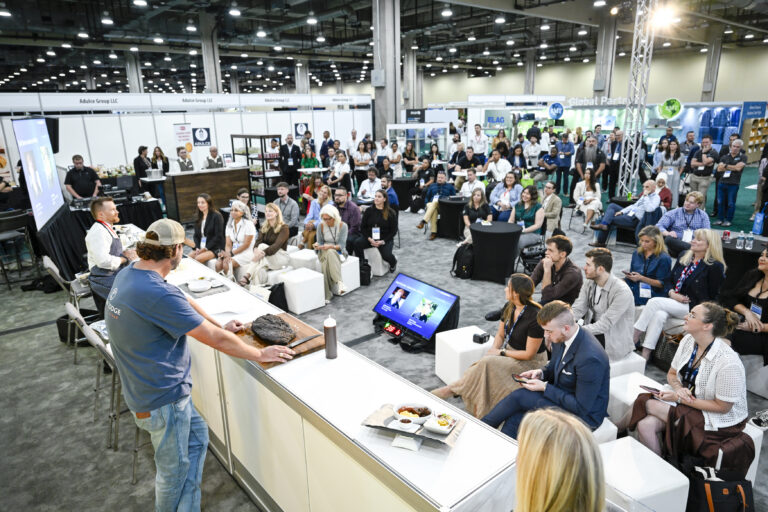
IFSA is delighted to be welcoming Airbus Cabin & Cargo Architect Michael Bauer as a panelist during its Thought Leadership session titled “From Data to Dinner: How AI is Transforming Airline Catering” on September 10 during the IFSA Global EXPO in Dallas, Texas.
Ahead of the event, the association spoke with Bauer about how Airbus is approaching digital catering as part of its Connected Aircraft program, and how he thinks smart technologies will transform both operations and passenger experience when it comes to inflight meals.
Smart catering isn’t a one-off for us [...] we are already working on version two and version three.
Michael Bauer
Bauer has worked for Airbus for the past 23 years, but has been working on the OEM’s Connected Aircraft program specifically for the last two and a half years. He noted the company did set up developments and studies focusing on digitizing the cabin pre-COVID, but the pandemic meant it was de-prioritized for a little while.
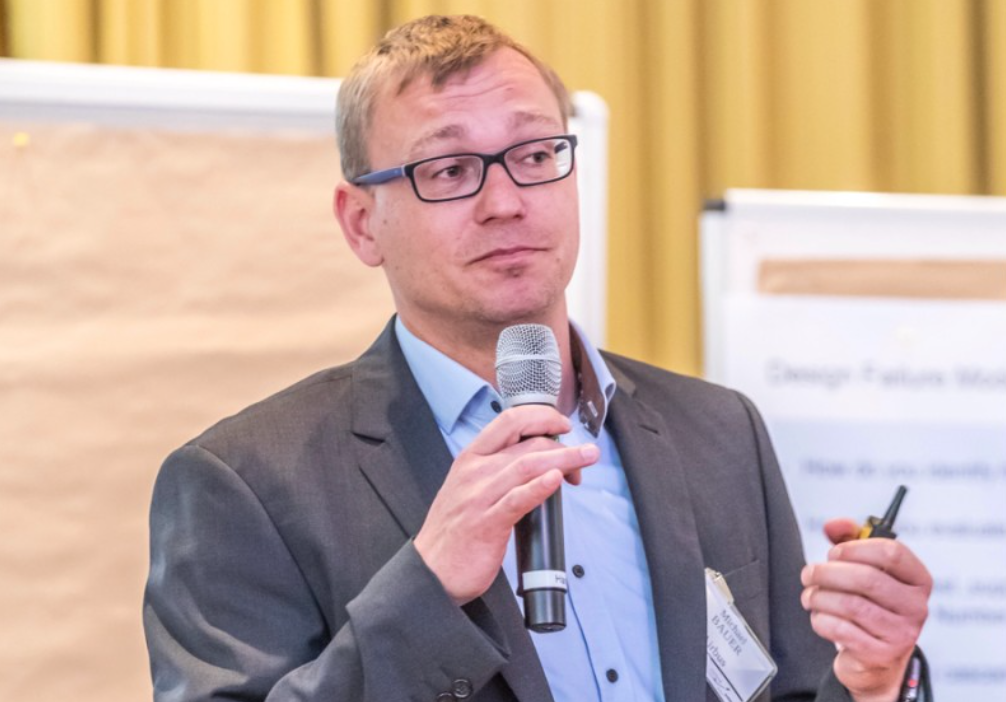
Airbus’ Three-Pillar Approach to Digital Catering
“The way we approach digital catering is via three pillars,” he explained. “One of them is to provide capabilities to reduce waste, but it also addresses cost. For the airline, reducing catering waste is actually cost avoidance, so it’s an absolute win-win, especially when almost all other initiatives we know in aviation in sustainability are more cost-centers.”
“The second one is core efficiency. We know that onboard service in the cabin is the source of peak workloads, especially when it comes to catering,” Bauer continued. “This is only going to increase, as we see the advent of more individual food choices, more selection criteria, more emerging types of onboard ordering and onboard sales. That’s a lot of work, and there is a certain need to manage all that, which is why digital catering also falls into the area of core efficiency and core workload reduction.”
“The third pillar is the passenger, because the passenger experience is the key to [airlines] having loyal passengers coming back to them. Catering is a differentiating factor, and here again, having choice information, allergy information right at the passengers’ fingertips plays a role, and therefore this is also part of our value stream,” Bauer concluded.
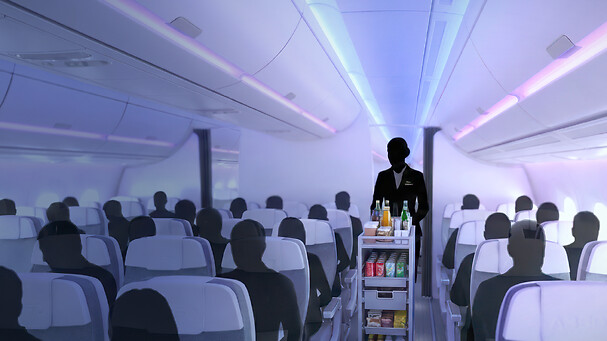
Experimenting with Digital Cabin Technology
He acknowledged that the OEM usually focuses on what’s actually going into the cabin, so the galley and accompanying galley equipment, but said when it tried to focus on how to digitize catering, Airbus realized that rather than zooming in on particular items, success would likely lie in trying to solve the logistical challenges of faced by the airline customer and moreover by the crew. “It was about bringing the right product to the right person at the right time,” he claimed.
Airbus proceeded by first initially trying to digitize the galley monument to incorporate predictive maintenance, and to give a visual representation to crew about how things were stored while the aircraft was at the gate, such as whether all the latches were closed, for example.
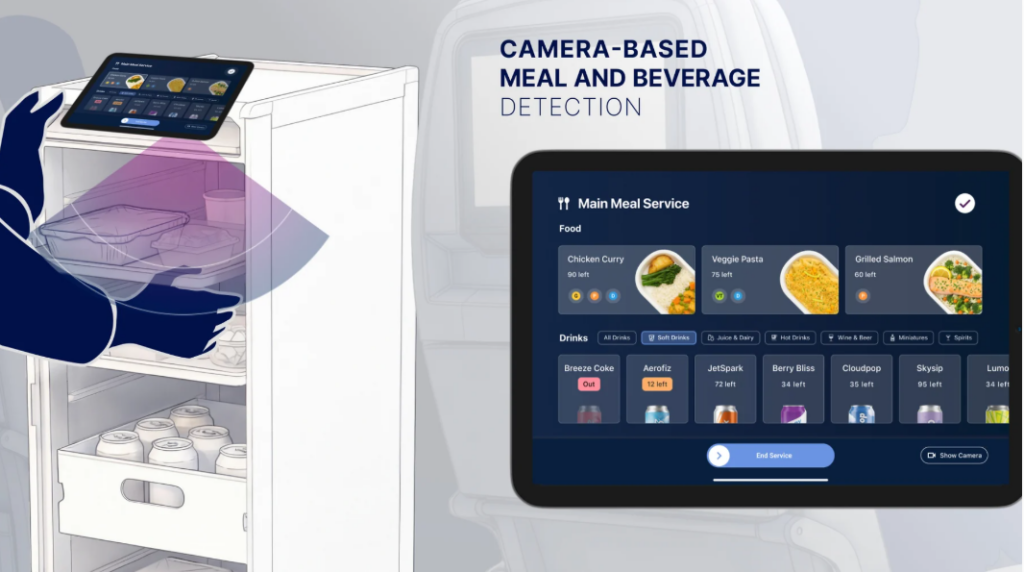
Then, it moved onto a sub-project that involved creating a food scanner that hooked up to a catering trolley to capture what food is served to passengers and which elements of it come back uneaten. “It was really an eye-opener for airlines because it gave them access to last mile information they didn’t have at the time.”
For the airline, reducing catering waste is actually cost avoidance, so it’s an absolute win-win.
Michael Bauer
However, Bauer acknowledged its concept presented certain challenges: “I think the shortfall was the fact the product is actually extra hardware, extra cost, and something extra for the cabin crew to deal with in terms of maintaining it.”
Working with feedback that the results were useful but the hardware was impractical, Airbus have applied the core function of the food scanner to an application, which is now able to run on crew-to-crew devices like smartphones and crew tablets. “We are getting rid of that extra hardware, but fulfilling the same functionality,” he said.
At this year’s Aircraft Interiors Expo in Hamburg, Airbus detailed a successful trial of its Smart Catering solution with Virgin Atlantic, giving insights into how it works. “The intention is to have the first version out on the market by year-end.”
What Comes Next for Airbus and Airline Catering?
“Smart catering isn’t a one-off for us. We have a product, and as for the next 25 years, it’s one we are going to see on the market. So, we are already working on version two and version three, and we have a plan to regularly update and upgrade the functionalities across two different streams. It’s a digital product, and we know from our smartphones, updates are coming regularly, so we have to update and upgrade to maintain that product”
The second evolution is the development of the actual platform, which will become smarter and more expansive over time. Bauer noted, “With connectivity, we are able to do more; we are able to connect things on board with other systems, whether it’s aircraft systems to cabin elements or IFE connecting directly to passengers, etc. The platform will have an entire suite of functionalities, which are going to add value step by step.
Bauer confirmed Airbus is also in the very early stages of a couple of R&D projects also aimed at reducing catering waste. “We’re also looking into improving catering operations for airlines,” he revealed, but conceded, “We are not saying that we will do everything on our own. It’s more of a partnered-approach; trying to offer our customers support wherever they need, because that’s the core of the airline business.”
To register to attend IFSA Global EXPO 2026, click here.