

Sustainable Packaging: Helping Airlines Generate Loyalty and Revenue
Share
New research from WTCE suggests that airlines that visibly embody sustainability in the cabin, particularly in terms of items used as part of their in-flight service offering, stand to gain more in revenue than those who disregard sustainability. Lufthansa provides an excellent case study.
A recent study commissioned by the World Travel Catering & Onboard Services Expo (WTCE) suggested that “airlines have a commercial opportunity to link sustainability with loyalty through tangible, transparent actions.”
“Passengers want to buy something that feels good ethically, and not just emotionally.”
– Kai Kosicki, WTCE
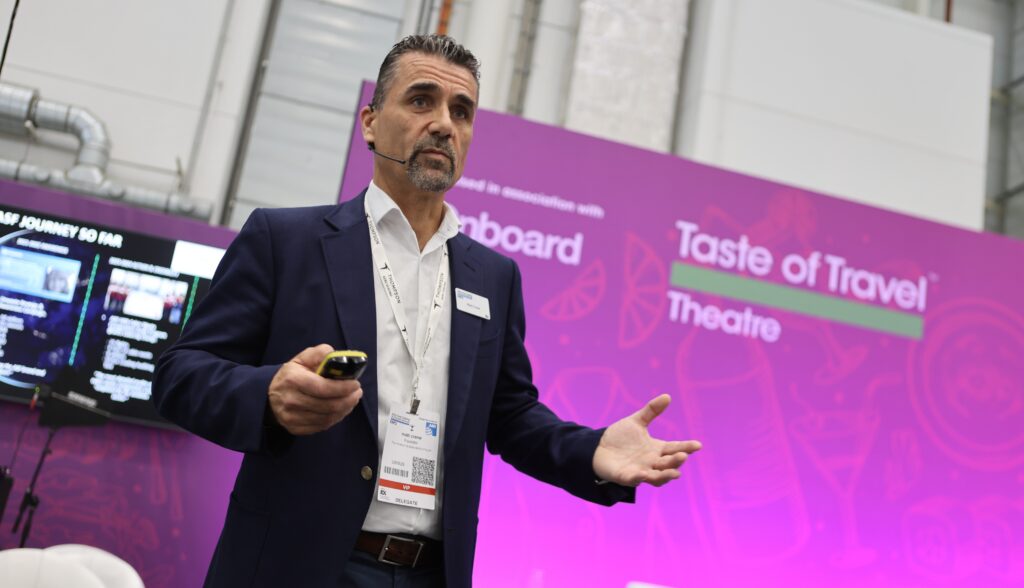
In the report, titled ‘A Greener Passenger Experience, A Smarter Airline Strategy’ written by Aviation Sustainability Forum (ASF) Co-Founder Matt Crane, he specifically highlights that “42 per cent of travelers say they are likely to make purchasing decisions onboard based on sustainability, whether that means choosing an eco-friendly meal, a recycled-material amenity product or plastic-free packaging.”
WTCE Retail Technology Ambassador Kai Kosicki added, “From a retail perspective, sustainability has become a product feature. Passengers want to buy something that feels good ethically, and not just emotionally.”
At the same time, Reliable Market Insights is claiming that sustainability is one of the main drivers of growth in the airline food packaging market as a result of both consumer demand and regulatory support for more eco-friendly materials onboard. The company predicts that revenue associated with the airline food packaging market will see a compound annual growth rate of 6.8 per cent between 2026 and 2033, reaching a market size of approximately US$5 billion by 2030.
Increasing passenger satisfaction at the same time as improving profits seems like a no-brainer for airlines, but Crane believes this can only be achieved if airlines are making sustainability wins “visible,” and that not many airlines are currently succeeding in doing so. In this article, IFSA explores how Lufthansa is using sustainable packaging to create a positive, premium eco-conscious passenger experience for its customers.
Lufthansa’s Business-Class Butter: A Case Study
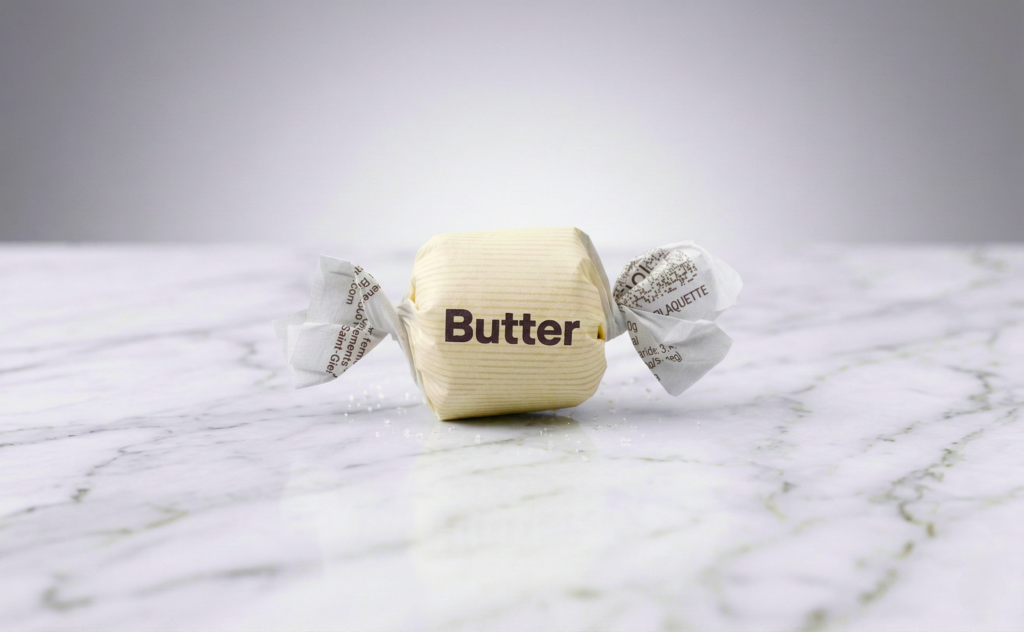
As part of their meal service, Lufthansa’s worldwide business-class passengers are treated to a slow-churned, artisanal butter portion hand-wrapped in 100 per cent plant-based, compostable paper.
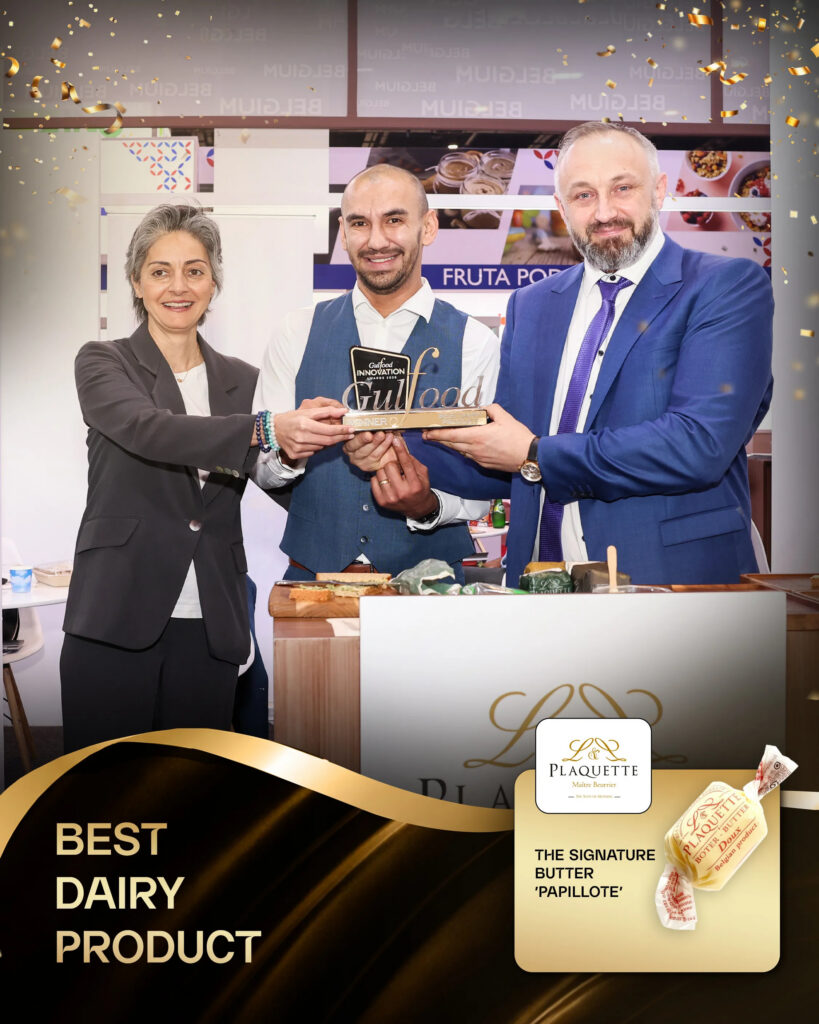
The product, created by Belgian artisan L&L Plaquette and dubbed the ‘vegetable parchment papillote,’ recently won “Best Innovation Dairy Product” at Gulfood 2026, the world’s biggest annual food and beverage sourcing and innovation show in Dubai.
“Airlines are no longer just buying an ingredient; they are investing in their brand’s integrity,”
– Lionel Plaquette, L&L Plaquette
It disrupts the single-portion butter cup, which the company believes has remained an industrial afterthought, packaged in single-use plastic and aluminum for over 40 years. Available in 10 gram, 15 gram and 20 gram portions and a range of flavors including Pure Sweet Butter, Sea Salt Butter and Fleur de Sel de Gruissan, alongside bolder versions incorporating truffle, garlic and seaweed, it can be customized with bespoke branding.
L&L Plaquette owner and sixth-generation Master Butter Maker Lionel Plaquette explained the papillote is made from 40gsm greaseproof paper that consists of 100 per cent virgin wood pulp, with zero aluminum or plastic coatings.
He claimed it was selected by Lufthansa for its uncompromising environmental credentials, the most critical of which being that it is PFAS-free. “We do not use any perfluorinated chemical treatments,” stated Plaquette. “Our paper achieves its high fat resistance through intensive mechanical refining of pure cellulose fibers combined with a natural starch surface application. This creates a high-density sheet that blocks oil penetration naturally.”
“Airlines are no longer just buying an ingredient; they are investing in their brand’s integrity,” he continued. “While artisanal packaging carries a slight premium, the ROI is found in the ‘Gift Effect.’ By replacing a plastic tub with a hand-wrapped ‘Papillote,’ we transform a commodity into a premium guest amenity. Data from our partners shows that passengers are extremely sensitive to this ‘first touch’ of the meal. The feedback is unanimous: the ‘unwrapping ritual’ creates an emotional connection to the food, suggesting care and craftsmanship, values that industrial plastic can never communicate.”
“While artisanal packaging carries a slight premium, the ROI is found in the ‘Gift Effect.’
– Lionel Plaquette, L&L Plaquette
Beyond sustainability, L&L Plaquette offers a powerful corporate social responsibility narrative, as every portion is hand-wrapped in Belgium in partnership with sheltered workshops, known as Entreprises de Travail Adapté (ETA). The company argues that this model adds depth to airlines’ Environmental, Social, and Governance (ESG) reporting.
While the product is not available for purchase, so its value cannot be easily quantified, it is clear that by visibly championing sustainability, Lufthansa is choosing to invest in its premium image in the hope of building loyalty to the brand.
Sustainable Packaging is Not Just for Premium Passengers
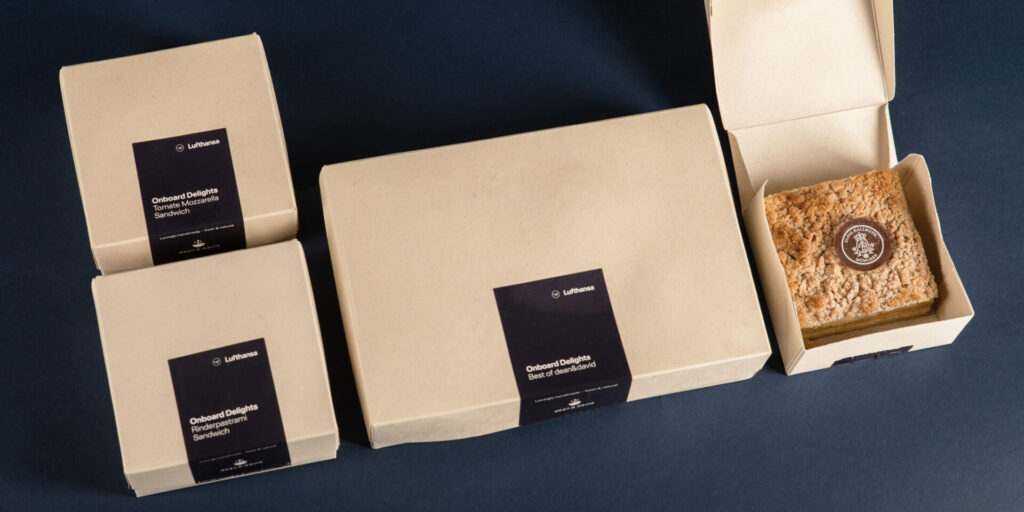
Lufthansa has been somewhat of a leader in the sustainable packaging space for some time. In 2021, it won the German Design Award in the “Excellent Communications Design” category for the packaging of its Lufthansa Onboard Delights & SWISS Saveurs F&B retail service on short- and medium-haul flights. The packaging in question is made by Paperwise, a CO2-neutral paper and board made from agricultural waste.
DeSter, which helped to get the products onboard, explained, “The unmarked packaging can be used by both airlines for their partners’ respective food concepts as only labels and banderoles are used for product communication. The nature of the packaging and its minimalist design help to avoid waste.”
Furthermore, Lufthansa’s Onboard Delights menu currently includes tea and coffee from German coffee brand Dallmayr, which is served in “a sustainable, reusable cup made of recyclable plastic that replaces the previous disposable cup and its plastic lid.” The carrier publicly said it was aiming to eliminate single-use plastics and aluminum from its Onboard Delights offering by the end of 2025.
More Sustainable Packaging Innovations to Come
As the connection between sustainable airline packaging and passengers’ perceptions of an airline brand become more undeniable, it is clear that, as Matt Crane says in his WTCE report, a sustainable approach to in-flight services will become a key differentiator for carriers trying to win business, rather than a “nice-to-have.”