

The Importance of Rotating Menu Items for Airlines: Balancing Tradition and Trends
Share
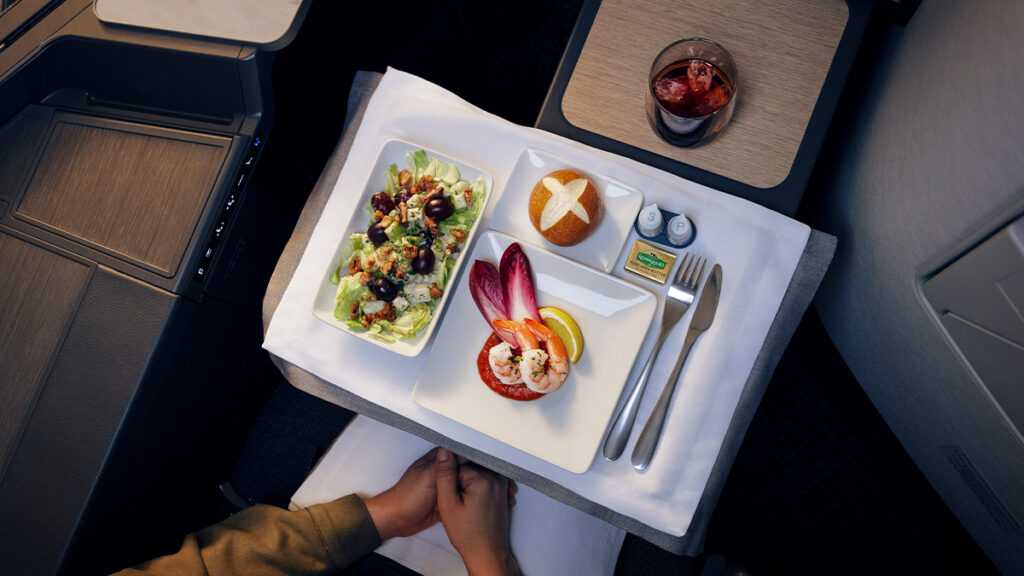
One of the greatest challenges faced by airlines when it comes to in-flight catering is the need to provide options for a diverse range of passenger requirements and preferences. This is also true in terms of how the industry responds to trends. Not all passengers can (or want to) dine on locally sourced seafood and sparkling wine, so how can airlines make these travelers feel like they are being treated to something exclusive and exciting?
According to James Beard Award-recognized chef Jhonny Reyes, who owns Seattle-based Afro Latin soul restaurant Lenox, shrinking menus will continue trending at restaurants in 2026. He recently told the foundation, “We’re seeing smaller menus that change more often, built around what’s fresh, what’s local, and what feels right for the season.”
These characteristics are already relatively standard for airlines, as the sheer scale and complexity of their operations make it difficult to accommodate expansive menus featuring ingredients that are tricky to source. Plus, there is the need to provide diversity for frequent flyers and to contribute towards ever more ambitious environmental sustainability goals.
“Themed” menus can be traced back to the “golden era” of air travel in the 1960s, with Pan Am and Transworld Airlines offering Italian and Mexican meals, for example. They were used as a marketing tool to differentiate luxury carriers and first-class in-flight service, a move that has evolved to become the norm across the commercial aviation industry.
Today, international airlines offer a more elevated take. Last week, United Airlines announced it was partnering with Chef’s Table to create 10 meals with 10 local chefs that will be served to Polaris business-class passengers on flights departing from their home cities.
But themed menus still have a place in the cabin. In a full circle moment, American Airlines (AA) recently unveiled a vintage-inspired menu for premium passengers to celebrate its centennial year. Dishes such as a Waldorf salad, classic prawn cocktail and deviled eggs finished with creme fraiche embody the culinary trends and flavors of the 1920s, and invite passengers to join in with marking 100 years of AA.
Taking Inspiration from Fast Food Chains
However, rotating menus and seasonal specials are not just reserved for high-end, cutting-edge restaurants. They have long been a recognizable element of fast food menus, with the arrival of the Pumpkin Spice Latte at Starbucks signaling the beginning of fall, or McDonalds’ Shamrock Shake marking spring’s approach.
These periodic “menu drops,” which often involve the seasonal return of cult favorites, high-profile brand collaborations, or limited-time “viral” flavors, drive media attention, consumer demand and, perhaps most importantly, increased revenue for the brands involved.
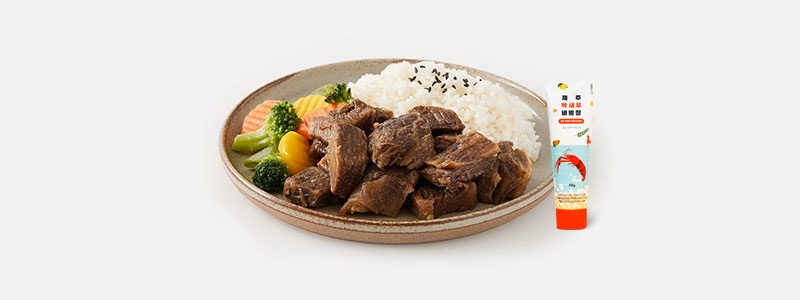
Low-cost carriers (LCCs) and leisure operators, which typically operate a buy-on-board model, are well-positioned to incorporate this kind of trend-based approach. Indeed, on February 16, Korea JoongAng Daily published an article claiming that with LCCs no longer able to differentiate themselves on price, they are “turning to ramyeon, bibimbap and branded meals to stand out.” A source stated in the piece, “When you factor in the spread through social media, it becomes an efficient promotional product.”
Brand Collaborations are Going from Strength to Strength
It is worth mentioning that getting new meals onboard an aircraft creates significantly more of an operational and logistical challenge of doing so on the ground. According to Air New Zealand’s Head of Culinary Justin Koen, the process of creating a menu takes around 12 months, not least because of the way altitude affects the human palate.
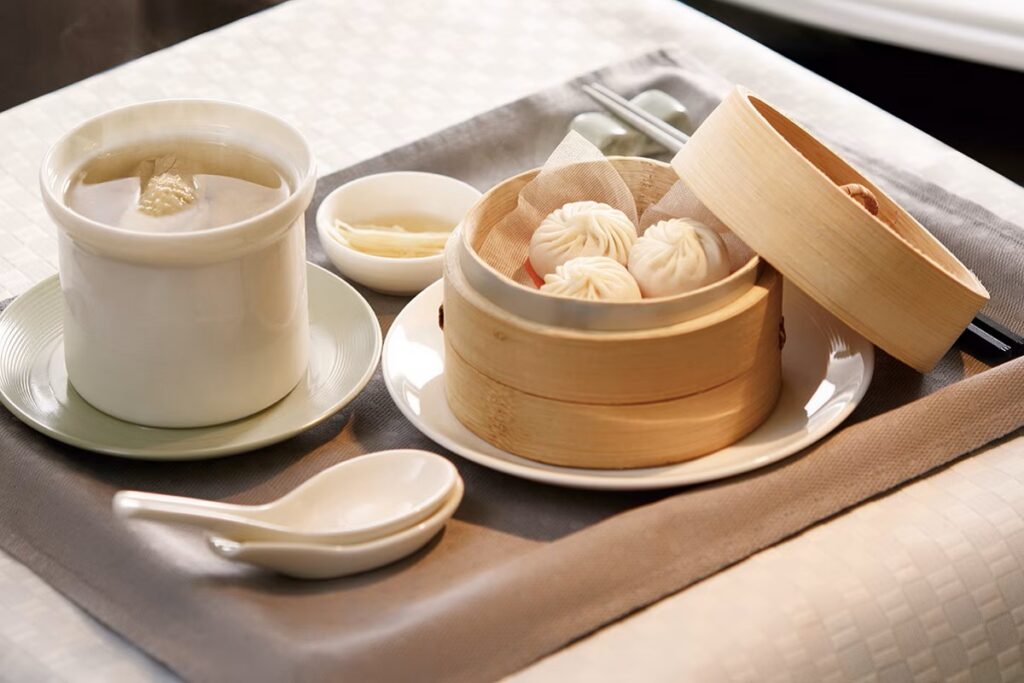
Nonetheless, airlines are still pushing forward. Delta Air Lines launched a burger in collaboration with Shake Shack in March 2025. Just after it was released, the carrier revealed the cheeseburger was so popular that it accounted for roughly 15 per cent of the hot food offerings coming out of its Atlanta flight kitchen. Around the same time, EVA Air made headlines when people realized they could get speciality dishes from Taiwanese institution Din Tai Fung when flying business class on certain routes originating in Taipei.
Airlines and Caterers Must Keep their Fingers on the Pulse
If launching and serving trending, branded products is what generates a buzz when it comes to airlines’ in-flight menus, where can the industry go next? Perhaps in the future, airlines will be able to pivot their food and beverage offerings faster to incorporate viral food trends created by TikTok, for instance, to achieve a significant uptick in sales and customer satisfaction.
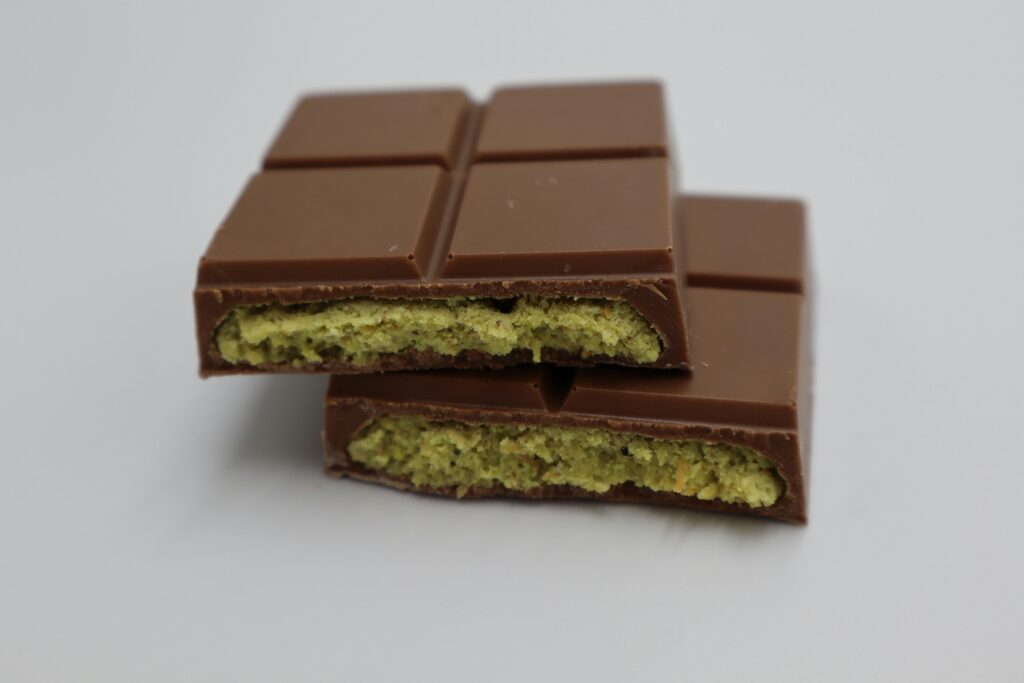
Documenting the stratospheric rise in popularity of Dubai chocolate, Italian Food News stated it “went viral on TikTok and was linked to a demand spike significant enough to contribute to tensions in the pistachio market.” Indeed, as a result of its new-found popularity, original Dubai chocolate suppliers FIX Chocolate have opened pop-up shops at DXB Terminals 1 and 3. In October 2025, a month before this expansion of the brand’s presence at DXB was announced, TimeOut Dubai confirmed the airport had made over US$7 million in September 2025 alone. In November, FIX Chocolate announced it was opening a pop-up shop at Changi Airport in Singapore.
What would have been the response if a Middle East airline like Emirates, which already rotates its onboard chocolate “every six months to delight frequent flyers,” had managed to procure a similar product and provide it to premium passengers free of charge? Or if an LCC in the region had added it to its buy-on-board offering?
Scarcity Marketing: A Winner for Both Luxury and Comforting In-Flight Meals
Whether it is a locally-sourced menu from a Michelin-starred chef or a famous branded fast-food item being served in the sky, the same psychology applies. In both scenarios, passengers feel they are getting something exclusive during their journey, which drives a positive perception of the airline they are flying with.
Traditional collaborations with celebrity chefs, a tried and tested model that has been around for three decades, are not going anywhere. They add an important dimension to an airline’s brand storytelling. However, with social media platforms like TikTok accelerating the popularity of new culinary trends, there is a growing opportunity for airlines to capitalize on viral sensations to win passenger loyalty, certainly among the next generation of travelers.